


GOVT News
The Weekly Spread: What Shaped US Treasury Yields And The Dollar This Week
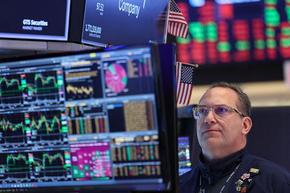
A dramatic political shift in the U.S. midterm elections and a severe tech stock selloff drove a massive flight to safety, sending Treasury yields tumbling across all maturities so far this week as of Nov. 5.
The Weekly Spread: What Shaped US Treasury Yields And The Dollar This Week
A dramatic political shift in the U.S. midterm elections and a severe tech stock selloff drove a massive flight to safety, sending Treasury yields tumbling across all maturities so far this week as of Nov. 5.
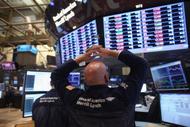
A steep selloff in artificial intelligence equities and surging credit risk premiums prompted investors to flee to safety, driving 10-year and 2-Year Treasury yields lower for the week ending Oct. 30.

White House National Economic Council Director Kevin Hassett stated that the Federal Reserve will likely need to raise interest rates if inflation rises.
The U.S. Fed held rates steady at 3.75%-4%.

A steep selloff in artificial intelligence equities and surging credit risk premiums prompted investors to flee to safety, driving 10-year Treasury yields below 5% for the first time in a month while boosting bond ETF inflows.
An accelerating rout in AI stocks sent the U.S. dollar to its worst weekly drop in a month while Treasuries resumed their slide for the week ending Oct. 16.

Billionaire investor Ray Dalio warns that mounting sovereign debt refinancing and waning international interest threaten to deepen the protracted downturn in U.S. Treasuries.
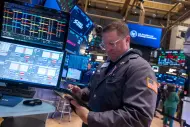
Surging crude oil prices and sticky inflation expectations kept U.S. Treasuries elevated for the week ending October 9, 2026, propelling the U.S. dollar to its longest weekly winning streak in over a year and a half.
In an interview with CNBC on Monday, Bessent said the U.S. bond market “is the most resilient in the world,” adding that it will have been “the best performing bond market” this month.

Stanley Druckenmiller, the American investor who also mentored Treasury Secretary Scott Bessent in his early career, suggested in an opinion piece on Wall Street Journal that the U.S. Treasury’s buyback move was a policy error.